
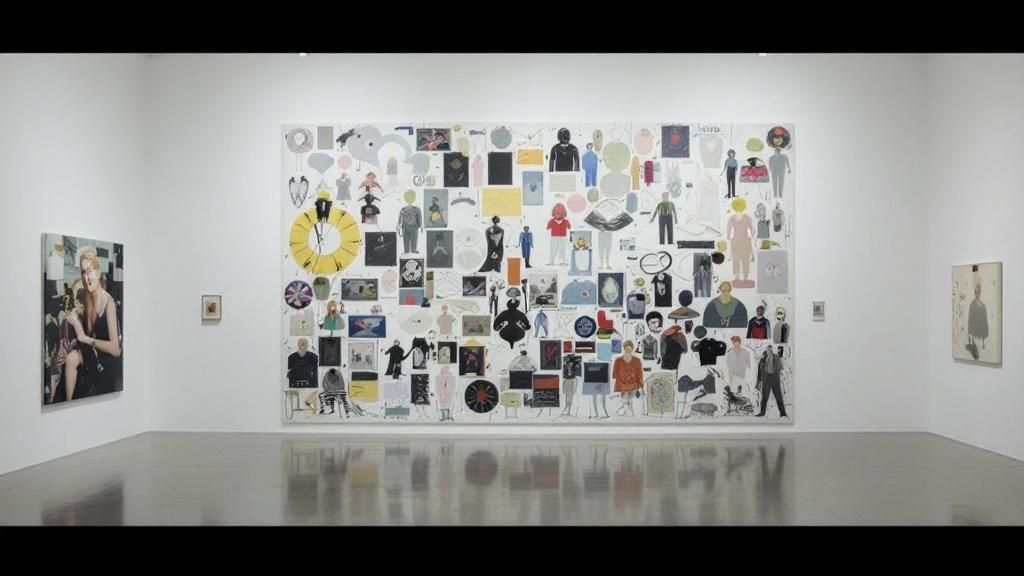
The Turner Prize shortlist has once more showcased art’s remarkable capacity to engage and challenge, presenting a compelling array of modern creative practitioners who are substantially transforming the landscape of modern creativity. This year’s lineup celebrates diverse voices from different communities, each challenging conventional artistic norms and challenging viewers to reassess what art can be. From innovative spatial works to challenging technological creations, the selected creators embody a striking evolution from tradition, promising an display that will certainly generate considerable debate within the artistic community and beyond.
Emerging Artists Redefining Modern Artistic Expression
The Turner Prize shortlist for 2024 reflects a notable movement towards inclusivity and innovation within the current artistic sphere. The selected artists showcase remarkable versatility, utilising experimental materials and conceptual frameworks that question conventional standards of beauty. Their work covers diverse disciplines, from multi-sensory exhibits to community-focused initiatives, illustrating the evolving nature of artistic expression in the modern era. Each artist contributes a distinct perspective, drawing from their particular lived experiences and lived experiences, expanding the ongoing discussion surrounding what defines valuable artistic practice currently.
What sets apart this year’s cohort is their shared dedication to dismantling hierarchical structures within the art establishment. These rising practitioners refuse to be confined by established gallery norms or market imperatives, instead prioritising genuine artistic expression and community engagement. Their practices often examine dynamics of power, questions of identity, and environmental challenges, demonstrating that modern art serves as a vital vehicle for social critique and cultural conversation. By promoting such diverse artistic approaches, the Turner Prize reaffirms its role as a innovative body equipped to acknowledge and recognising innovation.
The shortlisted artists’ practices reveal a deliberate shift from purely aesthetic considerations towards more conceptually sophisticated and socially aware frameworks. Many utilise participatory elements, inviting audience interaction and shared creative practice rather than passive observation. This opening up of the artistic experience represents a fundamental rethinking of the artist-viewer relationship, breaking down traditional barriers that have historically separated creator from consumer. Such approaches appeal especially powerfully with contemporary audiences seeking more meaningful and reciprocal engagement with cultural institutions.
Furthermore, the variety of backgrounds present within the shortlist emphasises the global nature of contemporary artistic practice. Artists from different parts of the world, cultural heritages, and socioeconomic circumstances bring richly varied perspectives to their work. This diverse framework confronts the Western-centric prejudices that have long dominated established art conversation, instead advancing a fairer and more inclusive vision of artistic merit. The Turner Prize’s recognition of such diversity demonstrates an important commitment to decolonising cultural institutions and amplifying traditionally sidelined communities.
The technical innovation apparent in the shortlist reinforces these artists’ openness to exploring with cutting-edge innovations and unconventional materials. Whether utilising artificial intelligence, sustainable resources, or disused manufacturing remnants, each artist exhibits nuanced comprehension of how composition and technique can strengthen thematic purpose. This integration of contemporary technological possibilities with deliberate artistic approach creates works that resonate with contemporary relevance, addressing current preoccupations and ambitions with compelling directness and force.
Ultimately, this year’s Turner Prize shortlist represents far more than a simple selection of gifted artists; it serves as a statement for contemporary artistic practice itself. These new creative talents collectively articulate a conception of artistic practice as deeply transformative, capable of challenging assumptions, promoting discussion, and conceiving new directions. Their inclusion in the shortlist affirms that the most significant creative achievements often come from those willing to question established norms, embrace experimentation, and emphasise authenticity over market appeal in their creative endeavours.
Removing Institutional Barriers
The Turner Prize shortlist demonstrates a significant shift in how recognised organisations recognise and champion artistic merit. By choosing practitioners who deliberately challenge established norms, the prize illustrates cultural readiness to evolve beyond conventional curatorial control. This year’s cohort includes creators working across disciplines traditionally sidelined by dominant cultural institutions, marking a fundamental reassessment of what defines significant artistic achievement.
This institutional development reflects broader societal conversations about inclusivity and diversity, access and participation, and inclusivity within the arts. The shortlist actively breaks down hierarchical structures that conventionally advantaged particular creative fields and demographic groups. By amplifying underrepresented voices and unconventional methodologies, the Turner Prize underscores that creative limits are growing more flexible, prompting museums and galleries to reconsider their collecting and display practices.
Interdisciplinary Approaches
Modern artistic work increasingly moves beyond conventional structural boundaries, with shortlisted artists deliberately combining diverse methodologies and disciplines. This cross-disciplinary approach reflects current conditions, where digital technology, cultural critique, and theoretical structures intersect seamlessly. The artists selected exhibit sophisticated understanding that meaningful artistic expression often emerges from unexpected convergences between seemingly disparate creative domains and conceptual methodologies.
The Turner Prize’s validation of cross-disciplinary practice validates experimental approaches that challenges simple categorisation. These artists utilise installation, performance, video, and traditional media in combination, generating complex experiences that require active viewer participation. Such approaches fundamentally challenge established conventions about the way art is displayed, engaged with, and critically evaluated within institutional gallery settings.
- Computational media integrated with sculpture installation approaches
- Live performance merged with documentary photography methods
- Video-based practice merged with architectural intervention strategies
- Conceptual frameworks blending social activism with artistic practice
- Conventional painting techniques augmented by projected media
The Future of Artistic Recognition
The Turner Prize’s movement towards inclusivity indicates a encouraging trajectory for cultural organisations globally. By promoting diverse perspectives and non-traditional media, the prize establishes a standard that questions the exclusionary practices conventionally established in the artistic establishment. This change inspires emerging artists from marginalised communities to pursue their creative work without risk of dismissal, cultivating a more inclusive landscape where merit transcends economic status and cultural heritage.
As modern art tackles significant social challenges, the Turner Prize functions as a barometer for artistic dialogue. The selected nominees examine topics spanning green practices to online presence, demonstrating art’s vital role in interrogating current problems. Their work reflects an growing aware body of artists determined to leverage their influence conscientiously, transforming galleries into settings for genuine conversation rather than superficial beauty consumption.
Looking ahead, the Turner Prize’s impact upon artistic recognition cannot be understated. Museums and galleries across the globe are re-evaluating their exhibition strategies, acknowledging the commercial and cultural value of platforming underrepresented voices. This institutional reckoning promises to reshape funding mechanisms, curatorial practices, and teaching programmes, ultimately democratising access to artistic spaces and opportunities historically limited to privileged cohorts.
The shortlist’s makeup signals that artistic boundaries are becoming increasingly permeable and subject to redefinition. Rather than adhering to strict classifications, current creative professionals are synthesising disciplines, blending established approaches with advanced tools. This interdisciplinary approach enhances the artistic discourse, prompting viewers to abandon preconceived notions about what constitutes valid creative work and embrace experimentation.
Ultimately, the Turner Prize illustrates how institutional recognition can spark broader cultural transformation. By championing diverse artistic voices and challenging conventional hierarchies, the prize advances a more inclusive creative ecosystem. This momentum must continue through sustained commitment from galleries, collectors, and critics who jointly shape which narratives gain prominence and which become sidelined within the contemporary art world.
The dialogue initiated by this year’s shortlist goes further than the prize ceremony itself, reverberating throughout artistic communities and shaping future generations of creators. As emerging artists see their peers receiving institutional validation for pushing against traditional boundaries, they are encouraged to pursue increasingly bold work. This recurring pattern of validation and creative drive promises to continually expand artistic possibilities, ensuring that the Turner Prize remains a vital catalyst for artistic innovation and societal growth.
